Changing Cars This September? Think Beyond Collection Day
Whether you’re collecting a brand-new 76 plate, renewing your lease or simply upgrading your current car, September is one of the biggest months for changing vehicles.
Most drivers spend weeks choosing the right model, comparing colours, features and finance deals. But while it’s easy to focus on collection day, what happens over the following years can have a much bigger impact on what your car costs to own.
Here’s what every driver should think about before driving away in something new.

1. If you're leasing or getting a car on PCP, know how the return process works
If you’re leasing a car this September, it’s worth understanding how the returns process works before you collect it. While leasing companies do expect a vehicle to show fair wear at the end of an agreement, damage that falls outside the British Vehicle Rental and Leasing Association's (BVRLA) Fair Wear and Tear Standard can result in additional charges when you hand it back.
Leading industry magazine Fleet News recently found that 48% of lease vehicles incurred wear and tear charges at the end of their agreement in 2025, with the average charge reaching a record £421.
The report also found that these charges have increased by 14% year on year, suggesting drivers are becoming increasingly likely to be hit with end-of-lease costs.
That doesn’t mean that every lease customer will get hit with an unexpected charge. However, understanding what inspectors look for can help you maintain the right areas throughout your agreement and reduce the risk of unexpected charges.
Get a Cosmetic Insurance Quote

2. A new car won't stay new for long
Whether you're leasing or buying outright, one thing every new car has in common is that it begins losing value from the moment you drive away. While depreciation is an unavoidable part of ownership, keeping your car in good condition can preserve its value over time.
While you can’t avoid every hazard on the road, taking a few basic steps from day one can increase your chances of maintaining that new feeling. Parking carefully, fixing minor damage promptly and keeping on top of regular maintenance can help prevent small issues from becoming big, expensive problems.
Whether you own your car outright, finance it or lease it, looking after its condition can help protect its value when it’s time to replace it. Keeping a full-service history (FSH) is just as important, as it shows prospective buyers the car has been properly maintained. A complete service record can increase a car's resale value by around 15–25%, making it one of the simplest ways to preserve its worth over the long term.
Book your Service with MotorEasy

3. Not all protection products do the same job
When you get round to sorting the admin behind your new car, you’ll probably be offered a range of protection products. The key here is to choose the right protection that suits your car, rather than assuming one policy covers everything.
For example, if you’ve bought a new car or financed one, you may want to protect yourself against the financial impact if it’s written off. If you’re leasing, you may be concerned about avoiding those end of lease charges caused by wear and tear.
Understanding what each product covers makes it easier to choose the protection that's right for your vehicle and how you use it:
GAP Insurance - Helps cover the difference between your motor insurer’s settlement and the amount paid/ still owed for the vehicle if your vehicle is written off.
Alloy Insurance - Helps protect you against everyday alloy damage, from kerbing to pothole damage.
Cosmetic Insurance - Designed to cover minor cosmetic damage including scuffs, dents and chipped paint.
Tyre Insurance - Covers the costs of accidental tyre damage, caused by everyday hazards.
4. Looking after your car pays off
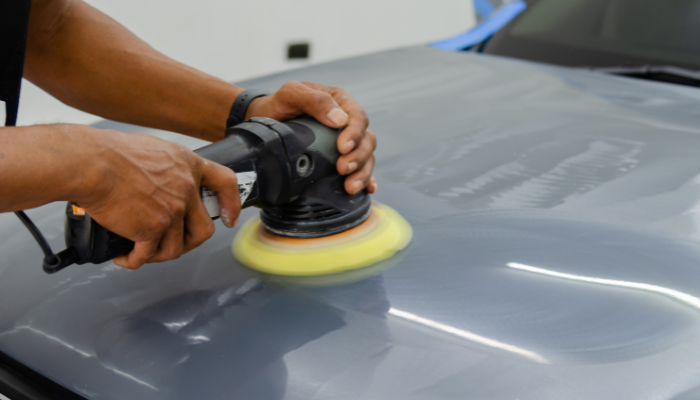
It may feel like a while away, but the condition of your car throughout ownership makes a real difference when you go to sell, exchange or return your car. Even small flaws like cosmetic damage can affect its value or result in end-of-lease charges.
The same Fleet News report highlights the value of keeping a vehicle in good condition. In one example, spending £550 on cosmetic refurbishment increased a vehicle's value by more than £1,100.
For many drivers, paying a small monthly amount for protection can be a cost-effective way to help avoid larger repair bills, reduce the risk of lease-end charges and protect their car's resale value.

5. Think about the last day as much as the first
It’s easy to get caught up in the excitement of collection day and quickly overlook the other factors involved in ownership, however planning for the day you sell it can save money and stress.
New cars can lose up to 60% of their value in the first three years of ownership, and other everyday damages can lead to high repair costs and end-of-lease charges. That’s why protection from early on can help you keep these costs under control.
The right protection is based on how and what you’re purchasing.
For new car buyers – GAP Insurance, Alloy and Cosmetic Insurance offers protection from some of the most common financial risks.
For drivers upgrading their current car – An Extended Warranty is worth considering for added peace of mind as your car ages.
Enjoy the new plate excitement - with confidence
Collecting any new car should be exciting, and whether it’s a brand new 76 plate or a model you’re not used to, it’s the start of a new chapter. Taking the time to think beyond collection day can help maintain that excitement for longer.
From understanding how depreciation works, knowing how end-of-lease charges are calculated and staying on top of regular maintenance is an essential part of ownership if you want to protect you car’s value over time.
Think about how you’ll protect your car before you buy your next one, and you can start September car changes off on the right foot.