How to Beat the 5 Big Costs hurting UK Motorists
If it feels like your bank account is being raided every time you turn the key, you aren't imagining things. A perfect storm of global conflict, post-pandemic market corrections, and soaring insurance premiums has added thousands of pounds to the annual cost of driving.
Here are MotorEasy’s suggestions on how you can fight back
1. The Fuel Stagger: Dodging the "War Premium"
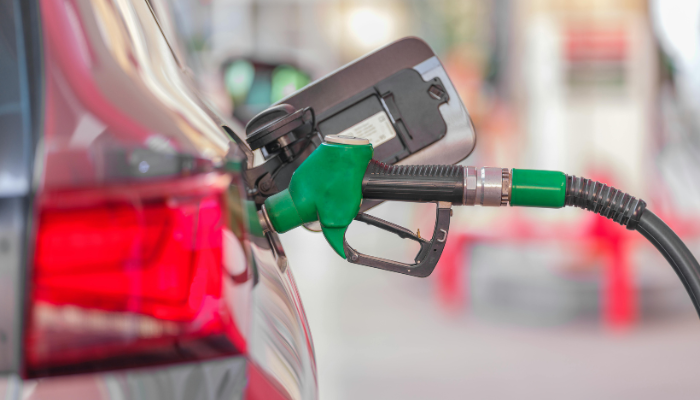
Recent data highlights a hidden tax affecting every single fill-up: the "war fuel premium". Against a backdrop of ongoing global conflict and volatile wholesale markets, fuel retailers have kept margins stubbornly high. UK drivers have paid an estimated £1.2 billion extra at the pumps because price drops in the wholesale oil market aren't being fully passed down to consumers.
Fuel margins remain historically high, keeping pump prices inflated..
The Consumer Fix:
- Stop buying premium fuel: Unless you drive a high-performance sports car that specifically requires high-octane fuel, supermarket standard unleaded is perfectly fine. Premium fuels can cost up to 20p more per litre for negligible real-world benefits in a standard hatchback.
- Lighten the load: Roof bars, bike racks, and a boot full of forgotten clutter create aerodynamic drag and add weight. Stripping them off can boost your fuel efficiency by up to 10%.
- Use a fuel checker web site: in February this year, the government introduced a new scheme forcing petrol stations to publish their fuel prices within 30-minutes of a price change. Several web sites now publish this data, providing motorists with a searchable list of the best value fuel stations in their area, checkout sites like: Moneysupermarket and RAC Fuelwatch

2. The Insurance Shock: beating the premium surge
If you’ve received a jaw-dropping renewal notice on your motor insurance, you have plenty of company. While car insurance premiums have thankfully eased from their record peak of nearly £1,000, drivers are still facing brutal costs, with the average policy sitting north of £700. Insurers point to the rising cost of parts, energy, and complex repair work, such as specialised labour to calibrate built-in sensors used in Advanced Driver Assistance Systems (ADAS) now common in most vehicles.
The Consumer Fix:
- The "Sweet Spot" Rule: Never wait until the last minute to renew. Data from comparison sites shows that the cheapest time to buy insurance is 20 to 26 days before your policy expires. Buying on the day your policy ends can double your quote, as insurers view last-minute buyers as higher-risk.
- Tweak your job title: adjusting what you call your profession can lower your risk bracket. Check to see if you can get a better rate by using a legitimate alternative to how you describe your role. A word of warning though, always ensure it accurately describes and doesn’t misrepresent your work – stretching the truth can invalidate your policy.
- Adjust the voluntary excess: raising your excess signals to the insurer that you’re unlikely to make small or petty claims that might otherwise raise your premium.
- Adding or removing named drivers: including a more experienced driver with a clean, long motor history can help to lower premiums. Similarly, removing someone with penalty points or in a high risk category, can help to reduce your quote - as long as they remember not to drive the car!
- Adjust your annual mileage: lower annual mileage generally means lower annual premiums, although remember to be realistic. Falsifying your submission, could invalidate or impair a subsequent claim.
3. The Maintenance Trap: "Fix Now or Pay Double"
With household budgets stretched thin, it is tempting to delay a standard vehicle service. However, garage repair and labor rates have climbed by 40% since 2020, driven by a shortage of mechanics and supply chain bottlenecks for replacement parts. Skipping routine upkeep is a massive false economy.
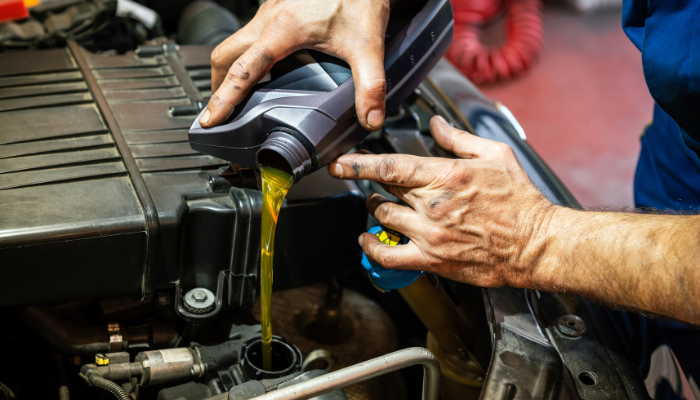
Simple checks like monitoring your engine oil level can prevent catastrophic engine failure.
The Consumer Fix:
- The 5-Minute Tyre Check: Under-inflated tyres increase rolling resistance, forcing your engine to work harder. Keeping your tyres at the manufacturer's recommended PSI can slash your fuel consumption by up to 10% and prevent uneven wear that forces early replacements.
- Bypass Main Dealer Workshops: independent garages using "original equipment equivalent" parts offer the same level of quality for a fraction of the dealer’s hourly labour rates. What’s more if you book a repair, service or MOT through a platform like MotorEasy, you’ll benefit from their buying power and negotiated discounts.
4. Used Car Volatility: Navigating the Market Correction
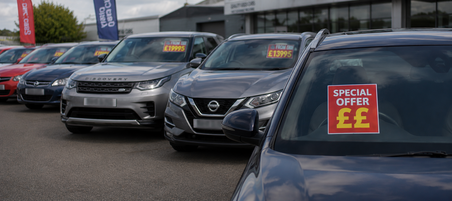
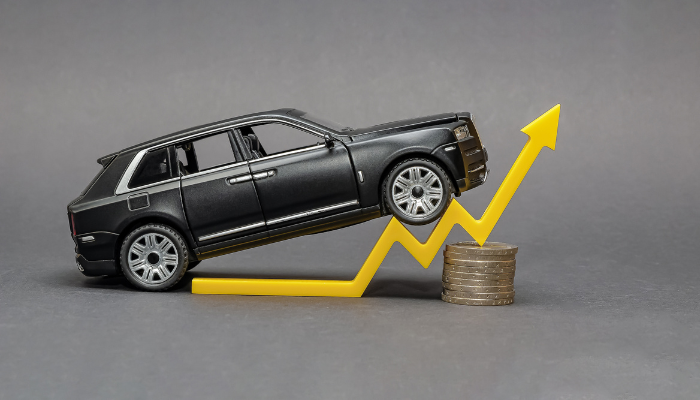
The second-hand car market is stuck in a prolonged recovery phase, still haunted by the historic inventory shortages of the pandemic era. While used vehicle values have dipped from their absolute peak, prices remain stubbornly firm. A massive "production gap" from the start of the decade means fewer high-quality, five-to-seven-year-old cars are entering the market, keeping baseline costs elevated.
The Consumer Fix:
- Timing your trade-in: demand for older petrol and diesel cars is exceptionally high right now. If you own a larger, lower-MPG vehicle, look into trading it down for a smaller, highly efficient alternative while your current car’s trade-in value is artificially propped-up.
- Prioritise service history over age: When shopping to cut costs, a flawless, stamped service folder is worth far more than a slightly newer model with gaps in its history. A structurally sound, well-maintained car will always save you more in unexpected repair bills.
- Safeguard with an extended warranty: if you are buying or holding onto an older vehicle, the risk of a mechanical or electrical failure unfortunately rises. Adding an extended warranty turns an unexpected and potentially catastrophic garage bill into a predictable, low monthly payment, safeguarded from inflation.
5. The EV Cost Trend
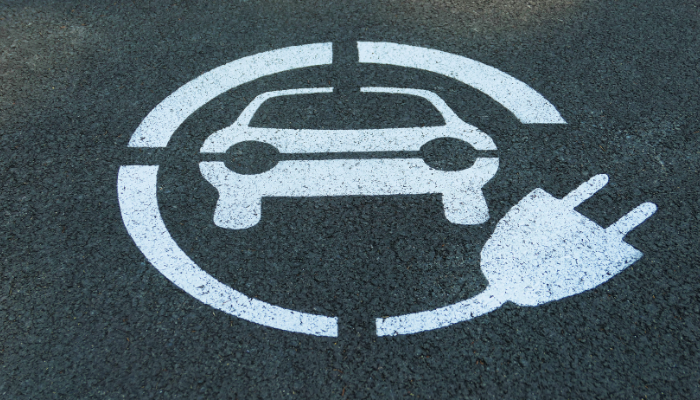
While electric vehicle owners generally enjoy lower per-mile running costs compared to petrol and diesel owners, the economic landscape is shifting. Public rapid-charging networks have ramped-up their rates due to high commercial energy wholesale pricing. Added to this, the historic tax exemption for electric cars has officially ended, meaning EV owners must now pay standard Vehicle Excise Duty (VED) just like combustion engine drivers.
The Consumer Fix:
- Switch to a Time-of-Use EV Tariff: If you charge at home, move to a dedicated overnight electricity tariff to charge your battery at a fraction of the standard daytime rate.
- Utilize Charging Reward Apps: When charging on the go, use roaming apps and community-charging networks to access discounted public plug-in rates. Checkout Octopus Electroverse, Pod Point or Bonnet for their latest range of tariffs and rewards.
- Sign-up to a route planner and deal finder like Zapmap, to benefit from their charging discounts and consolidated payments across multiple charging providers.
The True Cost of Driving: What You are Up Against
To help budget for the year ahead, this breakdown outlines the realistic running costs for an average UK motorist:
| Estimated Annual Cost | Current Market Trend | |
| Fuel Costs | £1,100 - £1,400 | Surging upward due to global market tension volatile crude oil costs |
| Car Insurance | £560 - £711 | Stabilising but high, after dropping 29% from historic £995 average levels |
| Repairs & Servicing | £650 - £850 | Rising rapidly as complex tech drives up parts and labour |
| Road Tax (VED) | £190 - £300+ | Creeping higher following inflation-linked goverment adjustments |
| EV Charging (Electric) | £450 - 950 | Widening gap between cheap home charging and expensive public rapid chargers |
By taking a proactive approach, shopping around early for cover, keeping your tyres inflated, and refusing to pay a premium at major retail fuel courts, you can claw back hundreds of pounds and regain control of your driving budget. And if you own an EV, make sure to smart-charge your vehicle by switching to a dedicated time-of-use home energy tariff to charge overnight at a fraction of the daytime rate.